There’s something about fried bologna that taps into childhood memories, but making it right takes a little finesse. It’s not just about heating up a slice; it’s about that perfect crispy edge and oily, smoky aroma that fills the kitchen. This isn’t fancy—just honest, straightforward comfort food with a little extra crunch.
Why this sandwich keeps calling me back
It’s quick, honest, and unapologetically flavorful. No fuss, just crispy edges and smoky richness that hit the spot after a long day. Sometimes, I crave that simple comfort—no pretenses, just good ol’ bologna fried up right.
Ingredients and their honest roles in this sandwich
- Bologna: The star—needs to be thick enough to crisp up nicely without drying out.
- Bread: A sturdy slice that can hold the juicy bologna and optional toppings.
- Eggs: Optional—adds richness and a gooey texture if fried sunny side up.
- Mustard or pickles: Adds tang and brightness to cut through the richness.
- Oil or butter: Helps get that crispy edge and golden toasting.
- Hot sauce or relish: For those who like a little kick or sweetness.
- Cheese (optional): Melted cheese can add gooeyness, but keep it simple if you want that crunch.
Tools of the trade for crispy success
- Skillet or cast-iron pan: To evenly fry the bologna and toast the bread.
- Spatula: Flip the bologna slices and handle the toast gently.
- Toaster or another skillet: For perfectly toasted bread.
- Plate: To rest and assemble the sandwich.
Step-by-step: Mastering the fried bologna goodness
Step 1: Preheat your skillet over medium heat, around 160°C (320°F).

Step 2: Lay down the bologna slices on a plate, ready for their crispy moment.
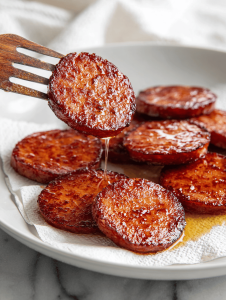
Step 3: Fry the bologna: cook each side for about 2-3 minutes until golden and slightly crispy.
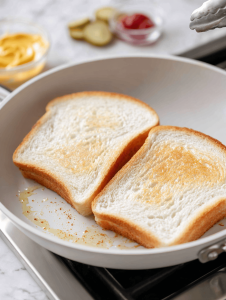
Step 4: Toast your bread until golden-brown, about 2 minutes in a hot skillet or toaster.

Step 5: In the same pan, fry an egg if you like, for extra richness.
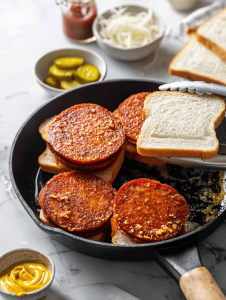
Step 6: Assemble: slap the fried bologna between your toasted bread, maybe add some mustard or pickles.
Step 7: Let it rest for a minute, then take your first crunchy, juicy bite.
Cooking checkpoints and tips to keep it real
- Bologna should be crispy around the edges but still juicy in the middle.
- Bread toasting should be golden, not burnt—keep an eye on it.
- Egg, if added, should have a runny yolk to complement the crunch.
- The pan needs enough oil or fat to prevent sticking and to help crisp the bologna.
Common pitfalls and how to dodge them
- Pan was too hot, causing burnt edges.? If bologna sticks, add a little more oil and turn the heat down.
- Bread toasted too dark or uneven.? Lower the heat to medium to get even crisping without burning.
- Overcooked the egg, making it rubbery.? Keep an eye on the toast; use a timer if needed.
- Bologna was undercooked and limp.? Cook the egg gently over medium heat, about 3 minutes.
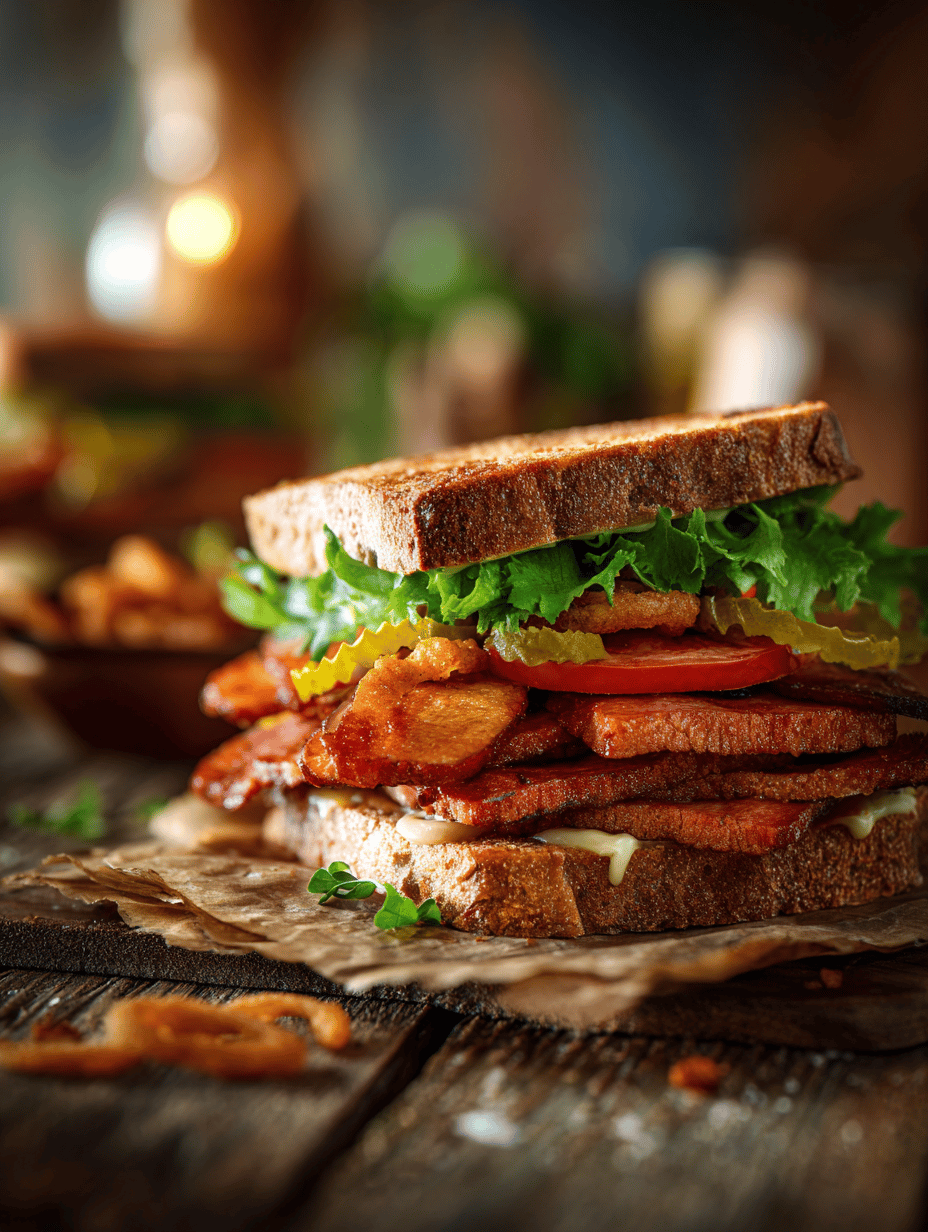
Crispy Fried Bologna Sandwich
Ingredients
Equipment
Method
- Preheat your skillet over medium heat and add a tablespoon of oil or butter, letting it melt and shimmer.
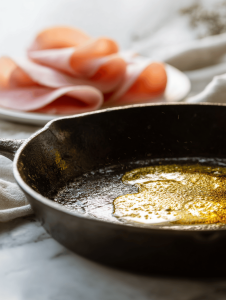
- Place the thick slices of bologna into the hot skillet, ensuring they lay flat and have enough space between them.

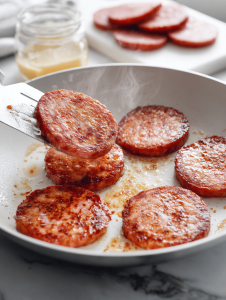
- Cook the bologna for about 2-3 minutes on each side until the edges turn crispy and golden, and the fat begins to bubble around the slices.
- While the bologna is frying, toast the bread slices until golden-brown, either in a toaster or in a separate skillet with a little butter.
- If you like, carefully fry an egg sunny side up in the same skillet, cooking for about 3 minutes until the whites are set and the yolk remains runny.
- Assemble the sandwich by spreading mustard or adding pickles on one slice of toasted bread, then layering the crispy fried bologna on top.

- If using, place the fried egg on top of the bologna, then top with the second slice of bread.
- Press gently to compact the sandwich, then let it rest for a minute to allow the flavors to meld.
- Slice in half if desired and enjoy the crispy, smoky, and flavorful bite of this classic fried bologna sandwich.
Notes
Hi, I’m Charlotte Hayes, the creator and storyteller behind Lost in the Aroma. If you’ve ever closed your eyes while something simmered on the stove just to take in the scent, then you already understand what this space is about. For me, aroma is memory. It is emotion. It is the first sign that something beautiful is about to be shared. Lost in the Aroma is where I bring together recipes, sensory storytelling, and my lifelong love for food. I am so glad you’re here.
Leave a Reply