
Sometimes, the best meals come from what’s lingering in the fridge. This creamy vegan tomato pasta was born out of a chaos of leftovers—half a can of tomatoes, a handful of cashews, and a bunch of basil that was about to wilt. Cooking like this reminds me that you don’t need pristine ingredients to make something warm and satisfying.
It’s a humble dish, but one that’s packed with flavor and texture. There’s a certain joy in turning scraps into a meal, especially when it’s rich and velvety, with a bright tomato punch. It’s a reminder that good food doesn’t have to be complicated to be comforting.
The Unassuming Joy of Making Comfort Food from Scraps
Why This Recipe Matters to Me
- I love how this dish can be thrown together in under 30 minutes.
- There’s a nostalgic comfort in the simple, honest flavors.
- Making this reminds me that leftovers can be a canvas for creativity.
The Inspiration Behind This Dish
- I was once stuck with a fridge half-empty after a long week, craving something warm and hearty. I threw together what I had—tomatoes, cashews, basil—and it turned out better than expected.
- That moment made me realize how forgiving and flexible this dish can be, perfect for lazy days or when the pantry’s low.
- It’s a testament to improvisation and the magic of blending ingredients into something nourishing.
The Roots and Quirks of This Dish
- The use of cashews for cream in vegan dishes dates back to the 16th century in South America.
- Tomato pasta is a staple in Italy, but making it creamy with nuts is a modern vegan twist.
- Fresh basil in this dish echoes the Mediterranean tradition of bright herbs pairing with tomatoes.
Ingredient Insights
- Tomatoes: Ripe, juicy tomatoes bring the best flavor, offering a sweet and slightly tangy base. If using canned, opt for crushed or pureed for a smoother sauce.
- Cashews: They create a rich, velvety cream. Soaking softens them for blending; skip soaking if you’re in a rush—just boil for 10 minutes.
- Garlic: Adds a punch of aroma and depth. Sauté until golden for sweetness, but watch it burn quickly.
- Fresh Basil: Provides a bright, herbal note. Add at the end to keep its vibrant aroma.
- Olive Oil: Optional for finishing; adds richness and a hint of fruitiness. Use sparingly if oil-free.
Spotlight on Tomatoes and Cashews
Tomatoes:
- Their juiciness and acidity are the heart of this sauce. Ripe tomatoes give the best flavor, especially when they’re bursting with sweetness.
- Cashews: Their neutral, buttery profile becomes silky when blended. They’re key for that luscious, dairy-free creaminess.
Cashews:

- Tomatoes: Watch for vibrant red color and a fragrant aroma. The texture should be tender but not mushy.
- They should be smooth and oozy after blending, with no gritty bits. Soaking ensures this.
Ingredient Swaps & Notes
- Dairy-Free: Use coconut cream instead of cashews for a richer, coconutty flavor.
- Gluten-Free: Ensure pasta is gluten-free, like chickpea or rice pasta.
- Oil-Free: Skip the oil and sauté garlic with a splash of water or broth.
- Low-Sodium: Use no-salt-added tomatoes and reduce added salt.
- Sweetener: Add a touch of maple syrup instead of sugar for a nuanced sweetness.
Equipment & Tools
- Large pot: Boil pasta
- Skillet or frying pan: Cook sauce and pasta together
- Blender: Make cashew cream
- Ladle or slotted spoon: Stir and serve
- Measuring cups and spoons: Accurately measure ingredients
Step-by-Step Guide to Creamy Vegan Tomato Pasta
- Fill a medium pot with water, add a pinch of salt, and bring to a boil (100°C/212°F).
- Cook the pasta until al dente, about 8-10 minutes. Drain, reserving a cup of pasta water.
- While pasta cooks, heat a tablespoon of neutral oil in a large skillet over medium. Add minced garlic, sauté until fragrant, about 30 seconds.
- Add chopped tomatoes or canned crushed tomatoes to the skillet. Cook until the sauce thickens slightly, about 10 minutes, stirring occasionally.
- Meanwhile, drain soaked cashews and blend with a cup of water, a pinch of salt, and a squeeze of lemon until smooth and creamy.
- Pour the cashew cream into the tomato sauce, stirring to combine. Simmer for 2-3 minutes until heated through.
- Taste and adjust salt, add a pinch of sugar if the acidity is sharp. If the sauce is too thick, loosen with reserved pasta water.
- Add cooked pasta to the skillet, tossing to coat evenly. Heat together for 1-2 minutes.
- Finish with chopped fresh basil or parsley. Serve hot, with a drizzle of olive oil if desired.
Let the pasta sit for a minute off the heat to settle. Finish with herbs and a drizzle of oil before serving.
How to Know It’s Done
- The sauce is vibrant red and bubbly around the edges.
- Cashew cream is silky and smooth, not grainy.
- Pasta is cooked al dente, with a slight bite.
Creamy Vegan Tomato Pasta from Leftovers
Ingredients
Equipment
Method
- Bring a large pot of salted water to a boil and cook the pasta until al dente, about 8-10 minutes. Drain and set aside, reserving a cup of pasta water.
- While the pasta cooks, heat a tablespoon of neutral oil in a skillet over medium heat. Add minced garlic and sauté until fragrant and golden, about 30 seconds to 1 minute.
- Add chopped fresh tomatoes or canned crushed tomatoes to the skillet. Cook, stirring occasionally, until the sauce thickens slightly and the tomatoes break down, about 10 minutes. The sauce should become vibrant and bubbling.
- Drain soaked cashews and transfer them to a blender. Add water, a pinch of salt, and a squeeze of lemon juice, then blend until completely smooth and creamy, about 1-2 minutes.
- Pour the cashew cream into the tomato sauce and stir well. Let it simmer gently for 2-3 minutes to meld the flavors and heat through. The sauce should turn velvety and rich.
- Taste the sauce and season with salt as needed. If the sauce feels too thick, loosen it with a splash of the reserved pasta water, stirring to combine.
- Add the cooked pasta to the skillet and toss gently to coat it evenly with the sauce. Heat together for about 1-2 minutes until warm and well combined.
- Chop fresh basil leaves and stir them into the pasta, saving some for garnish. If desired, drizzle with a little olive oil for extra richness.
- Serve the creamy tomato pasta hot, garnished with remaining basil and a squeeze of lemon for brightness. Enjoy this comforting, leftovers-inspired dish!
Cooking Tips & Tricks
- GARLIC: Sauté garlic gently until fragrant; burn it and lose that sweet aroma.
- USE PASTA WATER: It’s starchy and helps the sauce cling better.
- BLEND CASHEWS WELL: A smooth, creamy texture depends on blending thoroughly.
- BALANCE ACID: A squeeze of lemon brightens the sauce but don’t overdo it.
- SIMMER GENTLY: Keep heat moderate to prevent burning or splitting the sauce.
- RESERVE PASTA WATER: It’s perfect for adjusting sauce consistency.
- TASTE OFTEN: Adjust seasonings at the end for maximum flavor.
Common Mistakes and How to Fix Them
- FORGOT to soak cashews? Boil them for 10 minutes to soften quickly.
- DUMPED too much salt? Rinse pasta quickly under cold water to stop cooking.
- OVER-TORCHED garlic? Lower heat immediately and add a splash of water to cool.
- SKIPPED the pasta water? Use a little vegetable broth to loosen the sauce.
Quick Fixes for Common Kitchen Hiccups
- When sauce is too thick, splash in reserved pasta water and stir.
- If sauce separates, lower heat and whisk in a little more cashew cream.
- Splash a bit of lemon juice if too flat, to brighten flavors.
- Patch blandness with a pinch more salt or a dash of soy sauce.
- Shield delicate herbs by stirring in at the very end, just before serving.
Make-Ahead & Storage Tips
- The sauce can be made a day ahead; store in airtight container in the fridge for up to 2 days.
- Cooked pasta is best fresh, but leftovers keep for 1 day in the fridge. Reheat gently with a splash of water.
- Cashew cream can be prepared in advance and stored for up to 3 days. Shake or stir before use.
- Reheat gently on low heat, stirring often, until steaming and hot to avoid separation.
10 Practical Q&As about Creamy Vegan Tomato Pasta
1. Can I use fresh tomatoes or canned? Describe the flavor difference.
Use ripe, juicy tomatoes or good-quality canned ones. The flavor of the sauce depends on the fruit’s brightness and sweetness.
2. Should the tomato sauce be smooth or chunky?
Blend the tomatoes until smooth for a silky sauce, or leave some texture if you prefer a chunkier bite.
3. How do I get that creamy texture without dairy?
Cashew cream adds richness. Soak the cashews for at least 2 hours, or boil them for 10 minutes if short on time.
4. What oil works best for sautéing the garlic?
Use a neutral oil like sunflower or safflower for sautéing. Olive oil can be overpowering in flavor here.

5. Should I add sugar to the sauce?
Salt and a touch of sugar enhance the tomato’s natural sweetness and balance acidity.
6. How do I keep the pasta from overcooking?
Cook the pasta al dente, about 8-10 minutes, depending on the shape. Reserve some pasta water to loosen the sauce.
7. When should I add fresh herbs?
Finish with fresh basil or parsley for brightness. Add at the end to preserve their aroma.
8. How do I fix a sauce that’s too runny?
If the sauce is too thick, add a splash of reserved pasta water. If too thin, simmer a bit longer.
9. What tool helps prevent sticking and burning?
Use a silicone spatula to scrape the bottom of the pan, avoiding burning and ensuring even cooking.
10. Should I rinse the pasta after cooking?
Let the pasta rest in the pan for a minute after draining. It helps the sauce cling better.
This dish feels like a small victory—proof that you can make something delicious with just a little ingenuity. The creamy sauce coats the pasta in a silky layer, the basil adds a pop of fresh aroma, and the whole thing comes together quickly.
It’s perfect for nights when you want something nourishing but don’t want to fuss. Plus, it’s flexible—swap ingredients, adjust seasonings, and make it your own. Sometimes, the simplest meals leave the strongest impression.
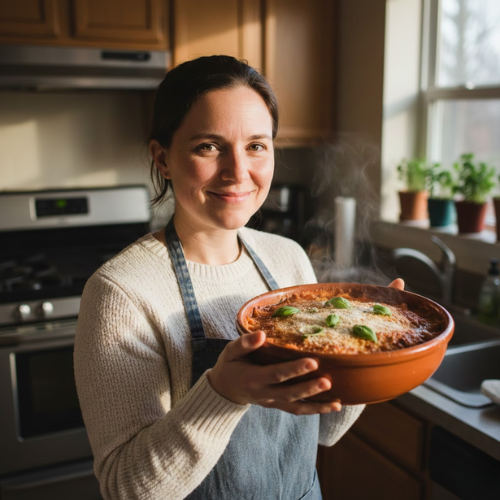
Hi, I’m Charlotte Hayes, the creator and storyteller behind Lost in the Aroma. If you’ve ever closed your eyes while something simmered on the stove just to take in the scent, then you already understand what this space is about. For me, aroma is memory. It is emotion. It is the first sign that something beautiful is about to be shared. Lost in the Aroma is where I bring together recipes, sensory storytelling, and my lifelong love for food. I am so glad you’re here.
Leave a Reply