
Most folks think of cauliflower as a bland, steamed side, but when you give it a good sear, it transforms. I love how the outside turns deep, smoky brown, almost like a steak from the grill, but with that tender bite inside. It’s like a little magic trick you can do in your own kitchen, turning something simple into something that feels fancy and rustic all at once.
There’s a quiet joy in mastering this technique—getting that perfect caramelized crust without burning, balancing the smoky aroma with the vegetal sweetness. It’s a dish that invites you to slow down, smell the roasting, and appreciate each crispy, golden edge. Plus, it’s forgiving enough to make you feel like a pro, even if you’re just learning your way around a pan.
The Uncanny Art of Caramelizing Cauliflower: Transforming a humble veggie into a savory spectacle
Why Cauliflower Steaks Matter to Me
- I love how a simple sear can turn cauliflower into something almost steak-like.
- There’s a peaceful rhythm in flipping these, waiting for that perfect crust to form.
- The smell of browning cauliflower always reminds me of fall and cozy kitchens.
- I feel proud when I serve this to friends—they’re surprised at how much flavor a vegetable can have.
- Sometimes, I add a sprinkle of smoked paprika for an extra smoky punch—delicious.
Inspiration Behind the Cauliflower Steak
- One evening, I was craving something hearty but didn’t want meat. I sliced a cauliflower and threw it in the pan. The aroma that filled the room—smoky, slightly nutty—made me realize how versatile this vegetable can be. Now, it’s a go-to for quick, satisfying meals.
- I started experimenting with different seasonings and found that a simple sear can make cauliflower feel indulgent. It’s become a reminder that humble ingredients, treated right, can surprise you every time.
- This dish is about embracing simplicity and celebrating the beauty of a well-caramelized piece of cauliflower. It’s a small act of culinary magic I enjoy sharing in my kitchen.
Cauliflower’s Journey from Ancient to Modern Plates
- Cauliflower has been cultivated for over 2,000 years, originating in the Mediterranean region.
- The ‘steak’ style of cauliflower gained popularity in the plant-based eating wave of the 2010s.
- Searing cauliflower to develop flavor dates back to traditional roasting techniques in North Africa and the Middle East.
- This method showcases cauliflower’s natural sweetness, enhanced by caramelization, a process dating back centuries.
Ingredient Insights & Tweaks
- Cauliflower: I prefer a dense, white head; look for firm, heavy ones for even cooking. It’s naturally mild but develops a nutty flavor when seared.
- Olive oil: Use a good fruity variety—helps with browning and adds depth. Skip extra virgin for high heat, opt for refined if needed.
- Salt: Essential for flavor. I salt generously before cooking—brings out sweetness and enhances crust. Adjust if using salty seasonings.
- Pepper: Freshly cracked adds a slight heat and complexity. I add it after searing to avoid bitterness.
- Lemon: Brightens the dish when squeezed over hot cauliflower. It cuts through the richness and adds a fresh aroma.
The Magic of Cauliflower and Oil
Cauliflower:
- Its dense structure turns beautifully golden and crispy—watch for the edges to darken slightly.
- It releases a sweet aroma as it roasts, with a hint of nuttiness that deepens with searing.
Oil:

- Sizzles quickly, forming a crispy crust. The choice of oil influences how deeply caramelized and smoky it gets.
- A good oil helps prevent sticking and ensures even browning—look for neutral or lightly flavored.
Ingredient Substitutions for Flexibility
- Oil: Avocado oil for higher smoke point and mild flavor. Keeps the crust crisp without overpowering.
- Salt: Sea salt flakes add crunch and flavor—use more sparingly if you prefer less saltiness.
- Lemon: Lime or vinegar can substitute for brightness, but lemon’s aroma is unique and fresh.
- Spices: Smoked paprika or chili powder can replace spices for extra smoky or spicy notes.
- Seasonings: Fresh herbs like thyme or rosemary can be added after cooking for a fragrant lift.
Equipment & Tools
- Sharp chef’s knife: To slice the cauliflower evenly.
- Large skillet: To sear the steaks evenly.
- Tongs: To flip the steaks carefully.
- Paper towels: To dry the cauliflower before cooking.
- Spatula: To move or lift the steaks gently.
Cooking Cauliflower Steaks: Step-by-Step
- Preheat a large skillet over medium-high heat, add 2 tbsp oil (about 200°C/392°F).
- Cut the cauliflower into 2 cm thick steaks, trying to keep the core intact.
- Pat dry with a paper towel to remove excess moisture, which helps searing.
- Brush both sides lightly with oil and season with salt, pepper, and optional spices.
- Place the steaks in the hot pan—don’t overcrowd, work in batches if needed.
- Cook for about 4-5 minutes until the underside is deep golden and crisp.
- Flip carefully with tongs, and cook the other side for another 4-5 minutes.
- Check for doneness: the edges should be crispy, and the center tender when pierced.
- Remove from pan, let rest for 2 minutes, then serve with your favorite toppings.
Let the steaks rest on a plate for 2 minutes. Finish with a squeeze of lemon or a drizzle of good olive oil before serving.
How to Know It’s Done
- Golden-brown crust on both sides.
- A slight jiggle when gently pressed, indicating tenderness.
- Smell of roasted, smoky cauliflower filling the kitchen.
Seared Cauliflower Steaks
Ingredients
Equipment
Method
- Start by slicing the cauliflower into 2 cm thick steaks, aiming to keep the core intact so they hold together during searing.
- Pat each steak dry with paper towels to remove excess moisture, which helps achieve a crispy sear.
- Brush both sides of each steak lightly with olive oil, ensuring an even coating for browning.
- Sprinkle salt generously over both sides to season and draw out moisture, aiding in caramelization.
- Preheat a large skillet over medium-high heat until hot, and add 2 tablespoons of oil, listening for it to shimmer and sizzle.
- Carefully place the cauliflower steaks in the hot pan, pressing down slightly to ensure good contact with the surface.
- Cook for about 4-5 minutes until the underside develops a deep golden, crispy crust, and the cauliflower begins to release a roasted aroma.
- Use tongs to gently flip each steak and cook the other side for another 4-5 minutes, until equally caramelized and tender when pierced.
- Check for doneness by pressing lightly; the crust should be crispy, and the inside tender with a slight give.
- Remove the steaks from the pan and let them rest for a couple of minutes; squeeze fresh lemon over the top for brightness.
- Serve the cauliflower steaks hot, with a drizzle of olive oil or additional seasonings if desired, and enjoy their smoky, crispy exterior with tender insides.
Tips & Tricks for Perfect Cauliflower Steaks
- Preheat the pan fully—hot surface creates the best sear and prevents sticking.
- Use a balanced oil with a high smoke point—canola or grapeseed work well.
- Don’t overcrowd the pan—cook in batches if necessary to keep the heat high.
- Flip the steaks gently—use tongs or a wide spatula to avoid breaking the core.
- Finish with a squeeze of lemon—brightens flavors and adds freshness.
Common Mistakes and How to Fix Them
- FORGOT to dry cauliflower? Dampen sear—pat with paper towels and increase heat slightly.
- DUMPED oil? Use enough to coat well—this helps prevent sticking and promotes even browning.
- OVER-TORCHED edges? Lower heat immediately and add a splash of water to cool the pan.
- STEAKS falling apart? Slice thicker or secure with toothpicks for easier flipping.
Quick Fixes for Common Cauliflower Searing Issues
- When burnt edges appear, splash cold water to cool and deglaze the pan.
- If steaks stick, add a bit more oil and gently loosen with a spatula.
- For undercooked centers, cover the pan and cook on low for 2 more minutes.
- When flavor is dull, sprinkle with fresh herbs or a dash of vinegar.
- If the pan smokes excessively, turn down the heat and open a window for safety.
Prepping and Storing Cauliflower Steaks
- Slice the cauliflower a day ahead; store in an airtight container in the fridge for up to 24 hours.
- Pre-seasoned steaks can be refrigerated for 1-2 days—bring to room temperature before cooking.
- The flavor deepens slightly after resting; reheat in a hot skillet to restore crispness.
- Reheating: cook on medium-high for 2-3 minutes per side until crispy again, smell of toasted edges reappears.
Frequently Asked Questions About Cauliflower Steaks
1. How thick should the cauliflower steaks be?
Cut the cauliflower into about 2 cm thick slices for even cooking and good presentation.
2. How do I cut the cauliflower into steaks without breaking them?
Use a sharp knife and steady hand to avoid crumbling the florets when slicing.
3. Should I dry the cauliflower before cooking?
Pat the cauliflower dry before cooking to get a good sear and prevent steaming.
4. At what temperature should I cook the cauliflower steaks?
A hot pan (around 200°C/392°F) with enough oil helps achieve a nice caramelized crust.

5. How long do I cook each side?
Cook each side for about 4-5 minutes until golden brown and tender when pierced.
6. How do I flip the cauliflower steaks without breaking them?
Use tongs to flip the steaks carefully to keep them intact.
7. How do I know when the cauliflower steaks are done?
Look for a deep golden color and a slight crisp on the edges as a sign of doneness.
8. Should I rest the cauliflower steaks before serving?
Let the steaks rest for a couple of minutes before serving to allow juices to settle.
9. How long can I store leftovers, and how should I reheat?
You can refrigerate leftovers for up to 2 days; reheat in a hot skillet or oven.
10. How can I enhance reheated cauliflower steaks?
Adding a squeeze of lemon or a drizzle of tahini brightens the flavors when reheating.
Cauliflower steaks seem to be everywhere now, but they hold a special place for me—simple, honest, and delicious. It’s a reminder that good food doesn’t need complicated ingredients or fancy techniques, just a bit of patience and a hot pan.
When you get that first perfect bite—the crackle of the crust, the smoky aroma—it’s a small celebration. These steaks are perfect for a quick weeknight dinner or a casual weekend gather. Mostly, they’re a way to keep that humble vegetable exciting, even when the season’s over and the markets are bare.
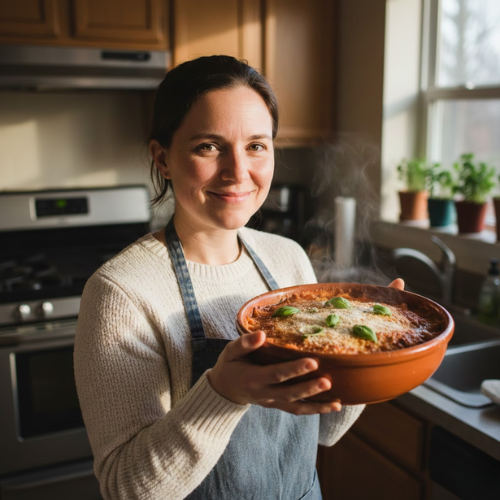
Hi, I’m Charlotte Hayes, the creator and storyteller behind Lost in the Aroma. If you’ve ever closed your eyes while something simmered on the stove just to take in the scent, then you already understand what this space is about. For me, aroma is memory. It is emotion. It is the first sign that something beautiful is about to be shared. Lost in the Aroma is where I bring together recipes, sensory storytelling, and my lifelong love for food. I am so glad you’re here.
Leave a Reply